

This guide explains how MVP timelines can be reduced from months to weeks while retaining product quality. This isn’t a guide about making a successful business or product; it is about developing the first version of your product and ensuring a technically well-built and affordable version.
tl;dr
A strong MVP is built by clearly defining success, focusing only on essential features, using real user input as a guide, and faking expensive components where appropriate. This process can be broken down into four stages: discover, define, develop, deploy and iterate.
What Is an MVP?
A Minimum Viable Product, or MVP, is a product with the simplest possible set of features that still delivers value and solves a real user problem. An MVP allows you to test assumptions with real users and iterate based on actual insights, without spending years of time or significant financial investment.
Stages of MVP Development
The first thing you should understand is what is involved with MVP development. MVP development is not necessarily a linear process. You can often move back and forth between stages, iterating based on feedback to shape the best possible product. Different teams will define these stages differently by breaking them down into tasks; this method breaks the process into phases.
#Discover
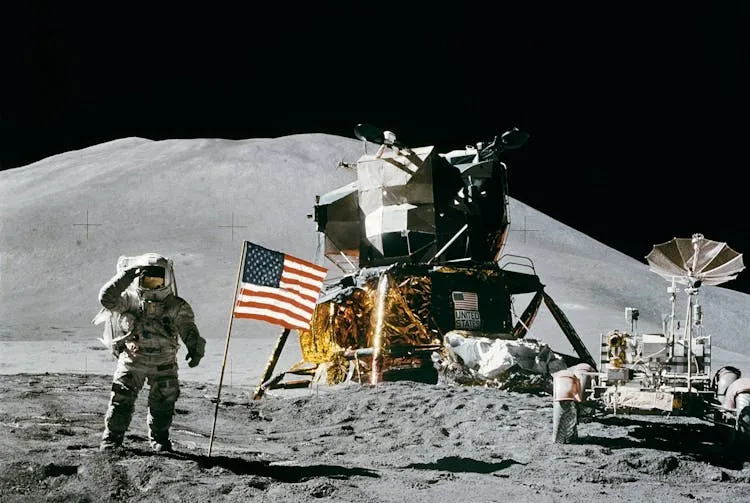
This is the first stage of the process and focuses on understanding your products problem space. No pure development is done at this stage, but this will all contribute to reducing time later.
- What problem is being solved? Identify a specific, well-defined problem.
- What already exists? Research competitors, the market, the target audience, and typical pricing.
- What makes this solution unique? Complete market research to see how the product is different or more effective than existing alternatives.
At this stage you might create:
- SWOT analysis: Strengths, Weaknesses, Opportunities, and Threats of existing products. From this you can understand your competitors and find your unique selling point.
- User Personas: User profiles of your target audiences showing their goals, behaviours, and pain points to ensure empathy guides your product development decisions.
- Unique Selling Proposition: Being able to clearly explain what makes your prodict unique.
- and more…
#Define
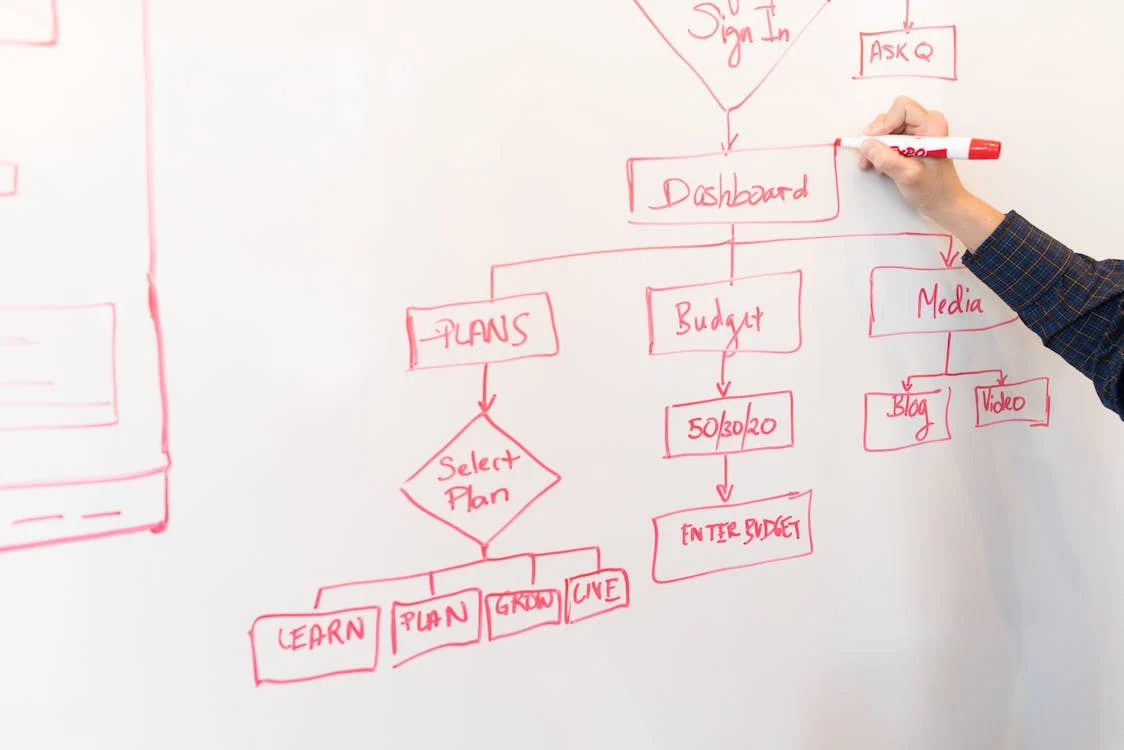
This stage can overlap with discovery but it is about focusing on your unique selling point, your target market and finding early evidence your product is needed without jumping into development.
- Is there evidence of interest? Gather early signals through conversations, interviews, or waitlists.
- What belongs in the product? Gather a list of potential features and prioritize only those that matter most based on your USP and assumptions you want to test.
- How does a user reach value? Define the simplest path from opening the product to experiencing its core benefit.
From this stage you might create:
- Product requirements: A list of requirements for your product such as features, feel and devices they operate on.
- Waitlist: A database with users who are in your target market and ready to test your product upon launch.
- User Flow Charts: Decision charts that show a users thought process behind the use of your product. Not as detailed as clicking on a specific button but focusing on the overall journey, which allows you to create a product that fits this journey.
- etc..
#Develop
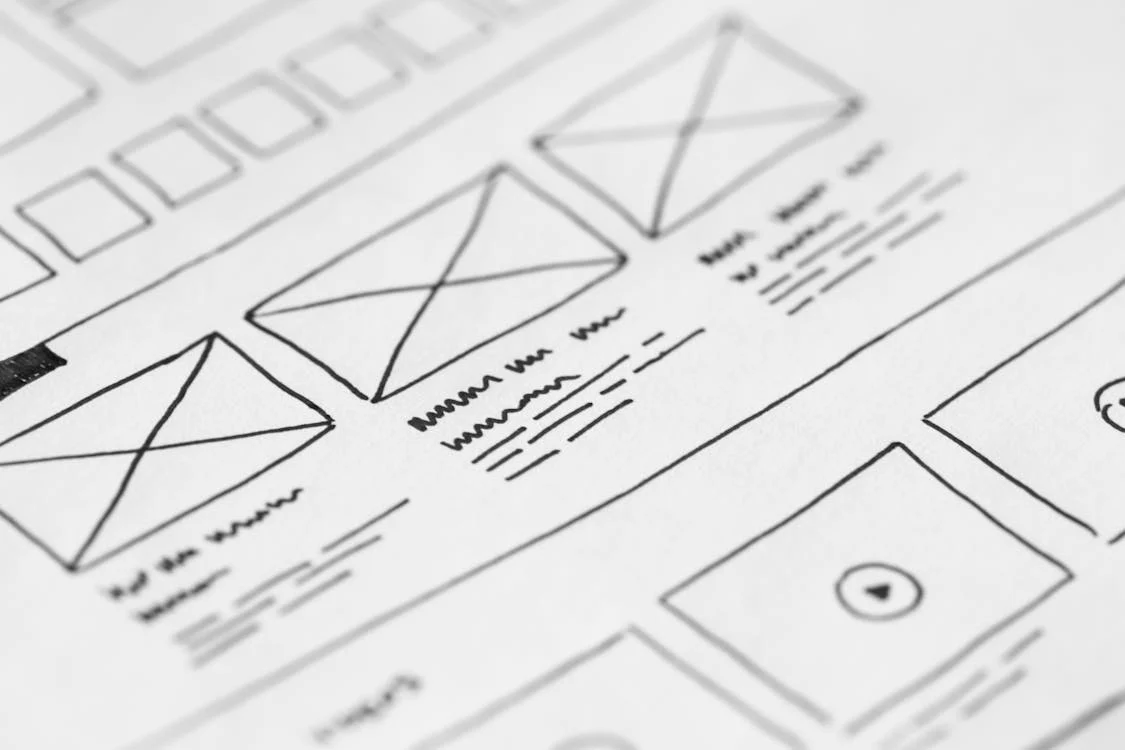
This stage turns your product into something tangible that can be shown to the world.
- How will users access the product? Decide whether the MVP is a web app, mobile app, invite-only test, or another format.
- What is included in the MVP? Combine the highest-priority features with the shortest path to core value. Anything beyond that is intentionally excluded.
- What does the product look like? Create simple mockups to visualize screens and simulate user interaction.
At this stage you might have:
- A visual product you can interact with. Which can be tested for bugs and minor modifications made before launch.
- Source code. Which you own for your product that can be built upon and iterated on.
- Technical documentation, including user guides, features, design decisions and setup instructions.
- Wireframes & design guidelines with your product branding or minimal branding showing screens, various screen size versions and reusable components.
- etc…
#Deploy and Iterate

- Launch the product. Release the MVP after development and any pre-launch audience building.
- Observe user behavior. Collect explicit feedback through surveys or forms, and implicit feedback through analytics and usage data.
- Improve and repeat. Refine features, fix issues, and plan the next iteration based on what is learned.
How Development Time Can Be Reduced
#Define Success Clearly
A clear definition of success can save weeks of time and acts as a foundation for all the points below. By success definition, we mean the core fact you need to prove for your next stage. This could be:
- Users will pay for your product and gain value out of it to gain investment or to give you confidence to move forward.
- A core part of your product is technically possible within certain constraints like resources, time, and user experience.
#Ruthlessly Define the “Minimum”
#Let User Conversations Guide Decisions
#Fake What Is Expensive

Conclusion
MVP development can be broken down into four core stages: discover, define, develop, and deploy (and iterate). Each stage poses different questions and challenges, all of which contribute to the success of the product.
Development time is reduced by defining success early, focusing strictly on essential features, grounding decisions in real user data, and simulating costly components where possible.